
-
- PHP
How to Turn a Business Idea into Software
Transforming a business idea into working software is one of the most exciting and challenging journeys an entrepreneur or business owner can undertake. It involves much more than just hiring a developer or writing code — it’s a multi-phase process that combines vision, planning, strategy, and execution. This blog dives deep into every stage of that process, offering a comprehensive, easy-to-understand guide for those looking to bring their digital ideas to life.
The blog begins by setting the stage, emphasizing that successful software starts with solving a real problem. It explores how identifying a market need, validating the idea with potential users, and conducting in-depth research are critical first steps. These early stages are where many businesses either build a strong foundation or set themselves up for failure. Without clearly understanding the problem and the audience, even the most beautifully designed software can fall flat.
Next, the post discusses how to refine the raw idea into a concrete product concept. It explains the importance of defining what your software will do, how it will function, and what features are absolutely necessary for a first version — known as a Minimum Viable Product (MVP). The blog guides readers on how to think about user flows, draft early prototypes, and begin imagining what the user experience should look like. At this stage, the transition from abstract idea to structured product vision begins to take shape.
Once the concept is clearly defined, the blog delves into the technical planning phase. It explains how choosing the right technology stack is crucial for both short-term performance and long-term scalability. Whether you’re building a mobile app, a web application, or an enterprise tool, the blog highlights how selecting the right frameworks, programming languages, and infrastructure will directly impact development speed, maintainability, and cost. It also touches on the differences between hiring freelancers, partnering with development agencies, or building an in-house tech team — providing pros and cons for each.
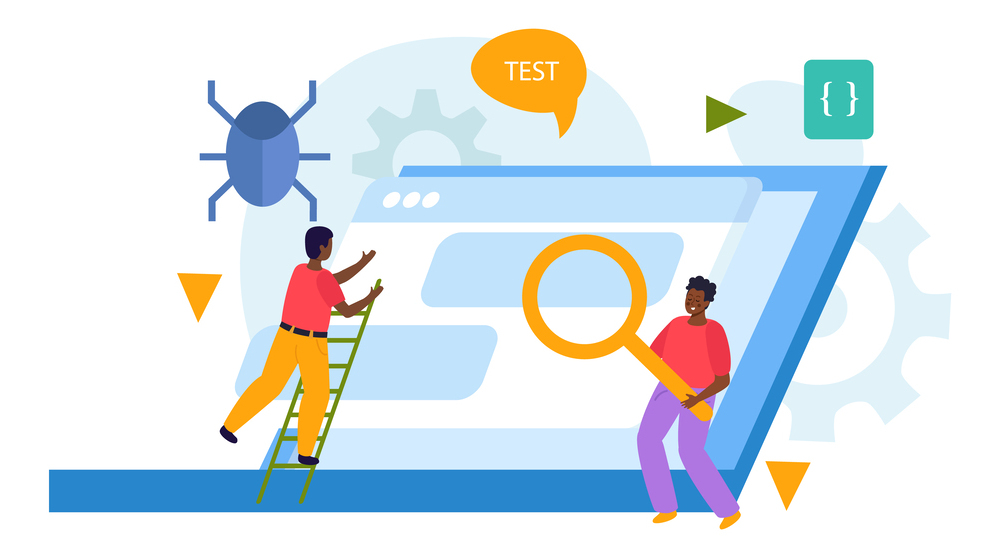
From there, the blog shifts into the actual development process. It walks readers through how modern software is built using agile methodologies, where progress is made in short iterations and feedback loops are constant. The post emphasizes the importance of collaboration between product owners, designers, and developers throughout the lifecycle, ensuring that the software evolves based on real-time input rather than rigid, outdated plans. It also covers the importance of regular testing — not just for bugs, but to ensure that the software is truly solving the problem it was designed to address.
With development underway, the blog then explores what it takes to launch the software successfully. This includes strategies for beta testing, gathering early user feedback, and preparing marketing efforts to attract attention to the new product. It highlights how to prepare for the realities of launch day — from scaling infrastructure to handling support requests — and how to build the momentum needed to sustain growth after the initial release.
Finally, the blog looks beyond the launch, explaining that successful software is never really “finished.” Continuous updates, user support, performance monitoring, and feature expansion are all essential for maintaining relevance and delivering long-term value. It also explores how businesses can scale their product based on user demand, and when to start thinking about advanced topics like monetization models, data analytics, and integrating AI or automation.
Throughout the blog, readers are presented with real-world insights and actionable advice, making this post not just educational but practically useful for anyone — whether you’re a non-technical founder with a great idea, a small business owner looking to digitize your services, or an entrepreneur seeking to build the next big platform. By the end of the post, readers will have a clear understanding of what it takes to turn a business idea into a real, working piece of software — and how to do it in a way that increases the chances of long-term success.