
-
- PHP
What Is an Application programming interface
In the world of software development and digital technology, the term "API" is often thrown around, but for many people — especially those without a technical background — it can remain a confusing concept. This blog aims to break down what an API actually is, why it matters, and how it powers much of the technology we interact with every day. By the end of the post, readers will have a clear, non-technical understanding of APIs, how they work, and why they're essential to modern software and digital experiences.
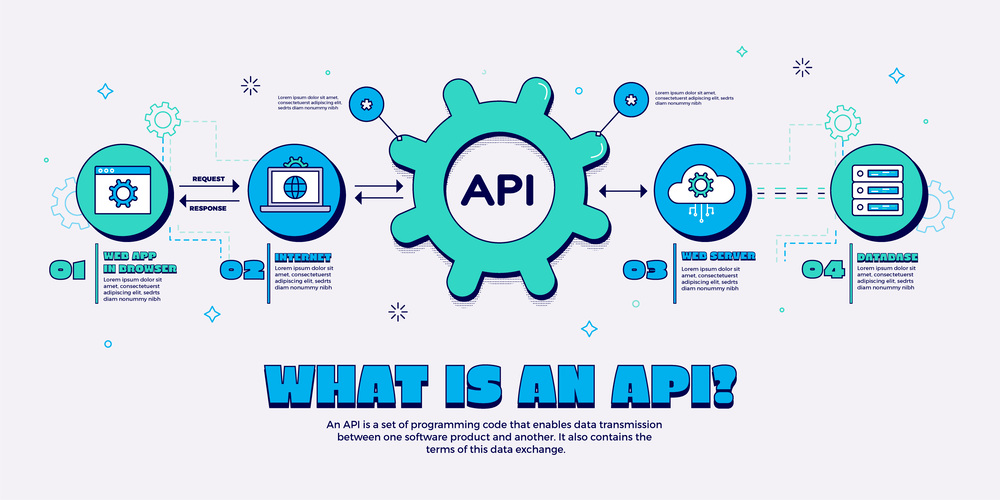
The blog starts by introducing the meaning of the term API, which stands for Application Programming Interface. Rather than diving straight into jargon, it uses relatable analogies to explain how APIs act as messengers or middlemen that allow different software systems to communicate with each other. Much like how a restaurant menu tells you what meals you can order — and a waiter delivers your request to the kitchen — an API outlines what a software system can do and helps make those actions happen behind the scenes.
From there, the blog transitions into how APIs are used in the real world. It highlights common everyday examples, such as using a weather app that pulls data from a government weather database via an API, or logging into a website using your Google or Facebook account — a process powered by an authentication API. These real-world scenarios help make the concept more tangible for readers who may not realize how often they’re interacting with APIs in daily life.
Once the reader has a firm grasp of the basic concept, the post moves into explaining the types of APIs — such as public, private, and partner APIs — and how businesses use them differently depending on their goals. Public APIs are accessible by anyone and often used by developers to build apps or integrate services. Private APIs, on the other hand, are used internally within a company to streamline operations between internal systems. Partner APIs are shared between businesses to enable collaborations, such as a travel booking site pulling data from hotel or airline APIs.
The blog also explains the technical structure of APIs in a simplified way, introducing terms like endpoints, requests, and responses. It illustrates how, when you use a piece of software or app that calls an API, you’re essentially making a request to a server, which then sends a response back with the data or service you asked for. The explanation avoids heavy coding language, focusing instead on helping non-developers understand the underlying principles of how APIs move data and enable functionality.
Security and performance are also addressed, with a discussion on how APIs need to be secured to protect user data and ensure only authorized access is granted. The post explains how API keys, tokens, and encryption help keep these digital interactions safe, especially when dealing with sensitive information like payments, personal data, or authentication credentials.
Toward the end, the blog explores why APIs are so important in today’s digital economy. They are the backbone of modern platforms, enabling rapid innovation, third-party integrations, and the ability for businesses to scale quickly without having to build every feature from scratch. From mobile apps and SaaS platforms to IoT devices and cloud services, APIs are what allow different systems to "talk" to each other and work together in real time.
The post concludes by reinforcing the idea that understanding APIs is not just for developers. Whether you're a business owner, product manager, marketer, or someone curious about how modern apps work, knowing what an API is — and how it enables digital experiences — is becoming increasingly valuable. The blog leaves readers with a foundational understanding, along with the confidence to engage in conversations about APIs and how they impact everything from simple websites to complex global platforms.
This blog is ideal for anyone seeking a beginner-friendly explanation of APIs, demystifying a critical concept that powers much of the modern digital world.