
-
- PHP
What Is Software Testing and Why Is It Important
In the ever-evolving world of technology, delivering reliable and high-performing software is more critical than ever. Behind every successful app, platform, or digital product is a thorough process that ensures it works as intended — and that process is called software testing. This blog takes a deep dive into what software testing actually is, how it works, and why it plays a vital role in the software development lifecycle.
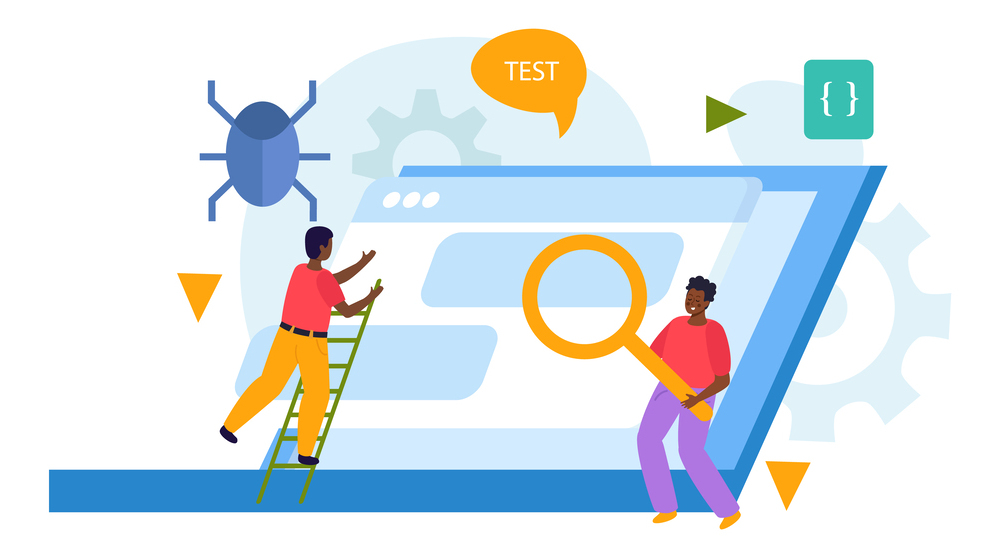
The blog begins by explaining the fundamental concept of software testing in simple terms. At its core, software testing is the process of evaluating and verifying that a software application does what it’s supposed to do. It involves running the software through various scenarios to detect errors, bugs, or flaws before it reaches the hands of real users. The goal is not only to catch mistakes but to ensure that the software meets business requirements, delivers a seamless user experience, and functions reliably under different conditions.
To help readers understand the broader scope of testing, the post explores the different dimensions involved. It explains that software testing isn’t a one-time task or a final step before launch — it’s an ongoing process that can start as early as the planning phase. From checking basic functionality and user interface elements to validating performance under load or ensuring compatibility across devices, testing is integrated throughout the development lifecycle. The blog highlights both manual testing, where testers actively check the application for issues, and automated testing, where scripts and tools are used to run repetitive tests quickly and efficiently.
As the post unfolds, it emphasizes why software testing is so important for businesses, developers, and end users alike. It explains that without proper testing, software can launch with critical bugs that lead to poor user experiences, financial loss, data breaches, or even complete product failure. Testing not only ensures the quality and stability of a product but also protects the reputation of the business behind it. The blog offers insights into how early testing helps identify problems sooner, reducing the cost and complexity of fixing them later in the development process.
The blog also touches on the types of testing, providing an overview of unit testing, integration testing, system testing, user acceptance testing (UAT), performance testing, and more. While it doesn’t go deep into technical details, it gives readers a general idea of how each type serves a specific purpose in ensuring the application is reliable, efficient, and user-friendly.
Security is another crucial aspect covered in the post. In a world where data privacy is increasingly important, testing helps identify vulnerabilities that could be exploited by attackers. This makes security testing not just a technical necessity but a business imperative, especially for applications that handle personal or financial information.
Toward the end, the blog explores how testing contributes to the overall success and sustainability of a product. It explains that regular testing and updates are necessary even after launch, as user behavior evolves and technology standards change. It reinforces that a strong testing strategy helps teams release updates faster, improve customer satisfaction, and maintain trust over the long term.
The blog wraps up by making a clear point: software testing is not just a box to tick; it’s an essential part of building any digital product that people can depend on. Whether you're a business owner investing in software development, a project manager overseeing a product team, or someone curious about how apps and websites work behind the scenes, understanding the value of testing is key to delivering successful technology.
This detailed and accessible blog post offers readers a practical and well-rounded understanding of what software testing is and why it's indispensable in the modern software development process.